Asphalt Paving Estimate Albany: Unlocking the Fundamentals and Shaping Urban Infrastructure
Introduction
In the dynamic world of urban development, efficient and durable road infrastructure is paramount for any thriving city. Among the myriad construction processes, asphalt paving stands out as a cornerstone in shaping the roads, driveways, and parking lots that facilitate daily life. This article delves into the intricate world of asphalt paving estimate Albany, exploring its definition, global impact, economic significance, technological innovations, regulatory landscape, challenges, successful implementations, and future prospects. By the end, readers will gain a comprehensive understanding of this vital process and its role in urban transformation.
Understanding Asphalt Paving Estimate Albany
Definition and Core Components
Asphalt paving estimate Albany refers to the planning, budgeting, and execution of laying asphalt (bitumen-based material) on roads, highways, or other surfaces within the city of Albany and its surrounding areas. It involves a meticulous process that includes several key components:
- Site Preparation: This initial step entails cleaning the existing surface, removing debris, and preparing the base layer to ensure optimal bonding with the new asphalt.
- Mix Design and Materials Selection: Engineers carefully select and blend aggregate materials (stone, sand) with bitumen to create a specific mix suitable for the project's conditions.
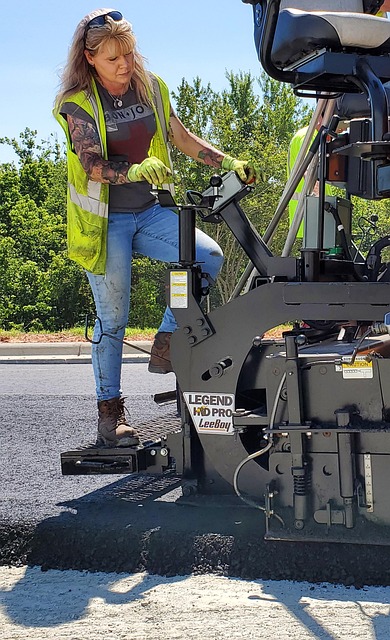
- Paving Execution: The actual process of spreading and compacting the hot asphalt mixture to form a smooth, even surface.
- Curbing and Edging: Defining the road's edges with curbs and ensuring proper sealing to prevent water intrusion.
- Markings and Signage Installation: Applying reflective markings and signage for safe and effective traffic guidance.
- Quality Assurance and Control: Implementing rigorous testing and inspection protocols to ensure the paved surface meets required standards and specifications.
Historical Context and Significance
The use of asphalt in paving dates back to ancient times, with evidence suggesting its application in the Roman Empire over 2000 years ago. However, it gained modern prominence in the late 19th century when the first asphalt road was constructed in France in 1846. Since then, asphalt paving has revolutionized transportation infrastructure worldwide. In Albany, as in many cities, asphalt paved roads became a cornerstone of urban development, enhancing connectivity and facilitating economic growth.
Fit within Broader Landscape
Asphalt paving estimate Albany is not merely about constructing roads; it contributes to the overall urban landscape by:
- Improving Connectivity: Seamless road networks enable efficient travel, fostering economic activities and social interactions across the city.
- Enhancing Safety: Well-paved roads reduce accident risks, ensuring safer commuting for residents and visitors alike.
- Supporting Infrastructure Development: Asphalt forms a critical base for various other infrastructure projects, including bridges, parking lots, and airports.
- Promoting Urban Aesthetics: Properly maintained asphalt surfaces contribute to the overall aesthetics of the city, reflecting its pride and progress.
Global Impact and Trends
International Influence
The influence of asphalt paving estimate Albany extends far beyond Albany's borders, shaping infrastructure development globally. Key factors driving this international impact include:
- Standardization of Construction Practices: Organizations like the American Society for Testing and Materials (ASTM) and the International Organization for Standardization (ISO) have established uniform standards for asphalt production and paving, ensuring consistency worldwide.
- Technological Exchange: Countries share technological advancements, best practices, and research findings, accelerating innovation in the field.
- Global Supply Chain: The demand for bitumen, a primary component of asphalt, creates a global market where Albany's paved road projects contribute to international trade.
Key Global Trends
- Sustainability Focus: A growing emphasis on environmentally friendly practices has led to the exploration of recycled materials and greener production methods for asphalt.
- Smart Cities Integration: Advanced technologies, such as sensors and connected vehicles, are being integrated into road infrastructure, transforming urban mobility.
- Increased Urbanization: The rapid urbanization in developing countries presents a significant demand for efficient road construction and maintenance.
- Digitalization of Construction Processes: Digital tools and models enhance project planning, estimation, and quality control, improving overall efficiency.
Regional Variations
Different regions worldwide adopt unique approaches to asphalt paving estimate based on local conditions:
- North America: Known for stringent quality standards and the widespread use of hot mix asphalt (HMA).
- Europe: Focuses on sustainable practices, incorporating recycled materials, and adopting stricter environmental regulations.
- Asia Pacific: Rapidly growing cities drive a significant demand for efficient and cost-effective paving solutions.
- Latin America: Struggles with maintaining existing infrastructure but shows promise in digitalized construction methods.
Economic Considerations
Market Dynamics
The asphalt paving estimate Albany market operates within a dynamic economic landscape, influenced by:
- Construction Industry Growth: Rising urban populations and expanding infrastructure projects drive the demand for asphalt paving services.
- Seasonality: Weather conditions play a significant role, as cold temperatures slow down construction during winter months.
- Fuel Prices: Bitumen prices are linked to global oil markets, impacting overall project costs.
Investment Patterns
- Public Sector Spending: Governments allocate substantial budgets for road maintenance and new infrastructure projects, ensuring continuous investment in asphalt paving.
- Private Sector Involvement: Private construction companies contribute significantly, especially in commercial and residential development areas.
- Infrastructure Bonds and Financing: Many countries employ infrastructure bonds and innovative financing mechanisms to fund major road projects.
Economic Impact
- Job Creation: Asphalt paving projects stimulate local employment, contributing to reduced unemployment rates.
- Economic Growth: Improved transportation networks enhance business activities, fostering economic growth and development.
- Tax Revenue: Well-maintained roads increase property values, leading to higher tax revenues for municipalities.
Technological Advancements
Innovations Shaping the Industry
- Warm Mix Asphalt (WMA): A revolutionary technology that reduces production temperatures, minimizing energy consumption and emissions while maintaining performance.
- Self-Healing Asphalt: Incorporating special additives allows asphalt to heal minor cracks and damage, extending road life.
- Advanced Paving Machines: Mechanical advancements in paving equipment enhance efficiency, accuracy, and safety during installation.
- Drone Technology for Quality Control: Drones equipped with high-resolution cameras and sensors provide real-time data for quality assurance, ensuring consistent results.
- Digital Twin Technology: This innovative approach involves creating a virtual model of the paved road, enabling predictive maintenance and enhancing overall infrastructure management.
Future Potential
The future holds immense potential for technological disruptions in asphalt paving estimate Albany:
- AI-Driven Project Planning: Artificial intelligence can optimize route planning, material usage, and scheduling, reducing costs and minimizing delays.
- Blockchain for Supply Chain Management: Implementing blockchain technology ensures transparency and traceability in the supply chain of asphalt materials.
- Smart Road Infrastructure: Integrating sensors and IoT devices into roads will enable real-time traffic monitoring, adaptive signaling, and predictive maintenance.
Policy and Regulation
Key Regulatory Frameworks
The regulatory environment plays a crucial role in shaping asphalt paving estimate Albany:
- National Standards: Governments set national standards for asphalt production, testing, and quality control to ensure consistency across regions.
- Environmental Regulations: Strict environmental laws govern the disposal of construction waste, emissions from production facilities, and the use of recycled materials.
- Occupational Safety and Health Administration (OSHA) Guidelines: These guidelines ensure worker safety during pavement installation and maintenance.
- Local Zoning and Building Codes: Local authorities enforce specific requirements for road construction, aligning with urban planning goals.
Influencing Development
- Standardization and Quality Assurance: Regulatory bodies drive standardization, ensuring that asphalt paving projects meet high-quality standards.
- Environmental Sustainability: Regulations foster the adoption of eco-friendly practices, encouraging the use of recycled materials and sustainable production methods.
- Safety and Public Welfare: Stringent safety standards protect workers and the public during construction and ensure long-term road safety.
Challenges and Criticisms
Overcoming Obstacles
Despite its numerous benefits, asphalt paving estimate Albany faces several challenges:
- Cost Fluctuations: Volatile bitumen prices can significantly impact project budgets, making long-term planning challenging.
- Weather Dependence: Unfavorable weather conditions delay construction, leading to cost overruns and project timeline delays.
- Traffic Management: Paving projects in high-traffic areas require intricate traffic control strategies to minimize disruptions.
- Maintenance Backlog: Aging infrastructure in many cities results in a significant backlog of maintenance needs, straining resources.
Proposed Solutions
- Long-Term Contract Pricing: Using long-term contracts with suppliers can stabilize material costs, providing better budget predictability.
- Weather-Resilient Practices: Adopting technologies like warm mix asphalt and rapid paving techniques accelerates construction during adverse weather.
- Innovative Traffic Management: Implementing dynamic traffic management systems and closed-loop traffic diversion strategies minimizes disruptions.
- Strategic Maintenance Planning: Developing comprehensive maintenance plans, including regular inspections and proactive repair, can extend road lifespans.
Case Studies: Successful Applications
1. The Green Asphalt Project in Amsterdam
Amsterdam embarked on a pioneering initiative to incorporate recycled asphalt into its city streets. By using a unique recycling process, the city successfully reduced its carbon footprint while providing a durable paving solution. This project not only addressed environmental concerns but also demonstrated the cost-effectiveness of green asphalt, encouraging other urban centers to follow suit.
2. Smart City Paving in Singapore
Singapore's Land Transport Authority implemented a cutting-edge smart road infrastructure project. They integrated sensors and IoT devices into selected roads, enabling real-time traffic monitoring and adaptive signaling. This technology enhances overall traffic management, reduces congestion, and provides valuable data for future urban planning. The project has set a global benchmark for intelligent transportation systems.
3. Resilient Infrastructure in Hurricane-Prone Areas
In coastal regions prone to hurricanes, cities have adopted specialized paving techniques to enhance road resilience. By incorporating stronger aggregate blends and special binding agents, they create surfaces that can withstand extreme weather events, minimizing damage and ensuring quicker recovery times. These resilient paving practices are essential for maintaining connectivity during natural disasters.
Future Prospects
Emerging Trends
- Digital Twin Cities: The concept of digital twins will revolutionize urban planning and management, providing virtual models for efficient infrastructure development and maintenance.
- Autonomous Construction Equipment: Self-driving pavers and other automated equipment will enhance construction efficiency, safety, and productivity.
- Advanced Material Technologies: Research into new materials, such as nano-asphalt and polymer-modified asphalt, promises improved performance, reduced environmental impact, and enhanced durability.
- Data-Driven Infrastructure Management: Big data analytics will enable predictive maintenance, optimizing road asset management and ensuring long-term sustainability.
Strategic Considerations
- Sustainability at the Core: As environmental concerns continue to grow, adopting sustainable practices and materials will be non-negotiable for asphalt paving estimate projects.
- Digital Transformation: Embracing digital technologies will enhance project efficiency, accuracy, and cost management across various stages of development.
- Public-Private Partnerships (PPPs): PPP models offer innovative funding and implementation strategies, leveraging private sector expertise to address infrastructure gaps.
- Resilient Urban Infrastructure: With climate change impacts becoming increasingly evident, building resilient roads will be crucial for urban adaptability.
Conclusion: Shaping the Urban Future with Asphalt Paving
Asphalt paving estimate Albany is not merely a construction process; it is a catalyst for urban development, enabling connectivity, enhancing safety, and fostering economic growth. As technology advances, regulatory frameworks evolve, and global trends shift, the industry must embrace innovation, sustainability, and data-driven decision-making. By learning from successful case studies and preparing for emerging trends, cities can ensure that their asphalt paved roads serve as robust foundations for a vibrant urban future.
FAQ Section
Q: What is the typical lifespan of an asphalt road?
A: With proper maintenance, well-paved asphalt roads can last 20-30 years or more. Regular inspection and timely repair are crucial to extending their lifespan.
Q: How does weather impact asphalt paving projects?
A: Adverse weather conditions, such as heavy rain or extreme temperatures, can delay construction schedules. Warm mix asphalt technology allows for continued work during cooler temperatures, minimizing delays.
Q: Are there any environmental benefits to using recycled materials in asphalt?
A: Absolutely! Using recycled asphalt reduces the demand for virgin resources, minimizes landfill waste, and lowers carbon emissions associated with production and transportation.
Q: Can asphalt paving contribute to smart city initiatives?
A: Certainly! Integrating sensors and connected vehicle technologies into paved roads enables real-time traffic monitoring, adaptive signaling, and enhanced urban mobility, aligning perfectly with smart city goals.
Q: How can cities address the challenge of maintaining aging infrastructure?
A: Developing comprehensive maintenance plans, including regular inspections and proactive repair strategies, can help extend road lifespans. Strategic planning and dedicated funding are essential for tackling maintenance backlogs.